Layering Lightweight Pieces Under Outerwear: A Practical Guide

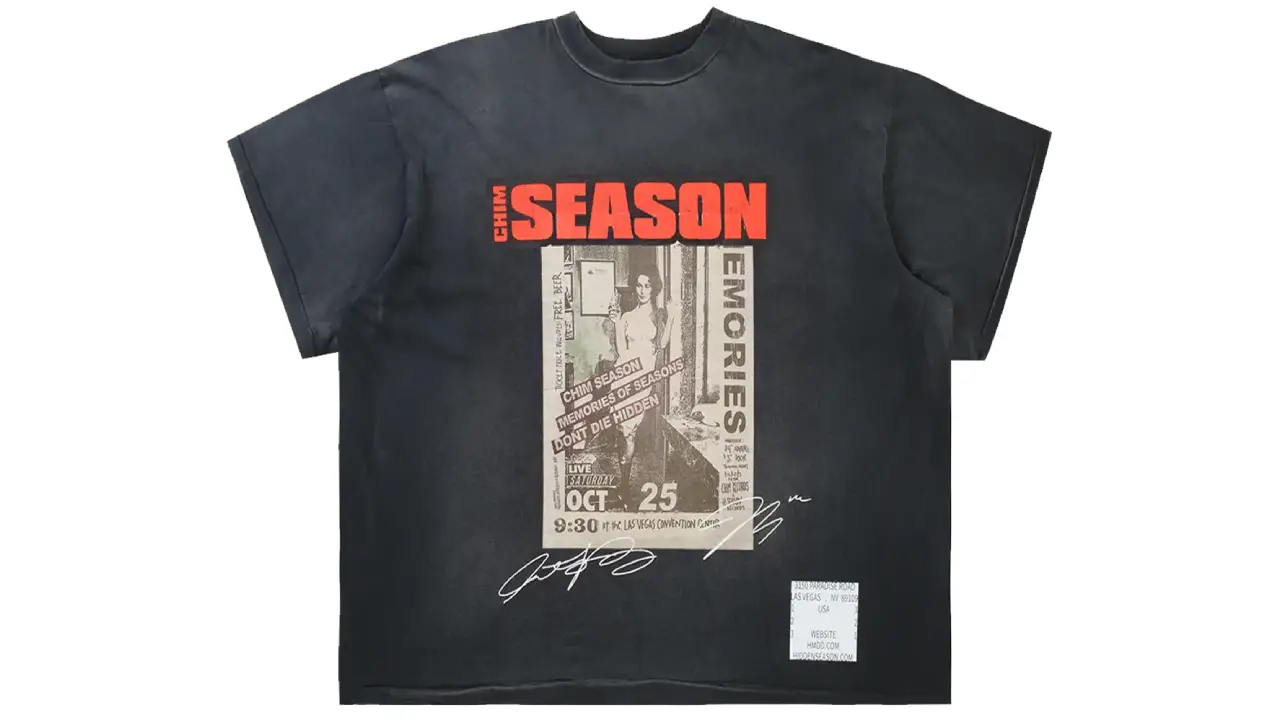
Why layering lightweight pieces under outerwear actually works
Layering lightweight pieces is the trick that separates people who look sharp in winter from people who look like they’ve put on every jumper they own. The idea is simple: thin layers trap warm air between them, and that trapped air does more work than one thick layer ever could. A heavy coat over a bulky hoodie usually leaves you either sweating indoors or restricted when you move. Swap that bulky hoodie for something thinner and the coat sits properly, buttons close, and you still get the warmth.
Key takeaways
- Two thin layers trap more warmth with less bulk than one thick layer.
- Fit matters more than fabric weight when layering lightweight pieces under a coat.
- Wash and dry lightweight layers gently to protect their shape over a season of heavy use.
Shops that focus on everyday basics are useful here because they tend to stock lightweight hoodies and sweatshirts cut close to the body rather than boxy. Browsing somewhere like hidden season gives you a sense of how a slim lightweight piece should sit: not skin tight, but not swamping you either. That fit matters more than fabric weight alone, because a thin hoodie cut too wide will bunch under a jacket just as badly as a thick one.
The other benefit of layering lightweight pieces is flexibility. You can add or remove a layer as the day warms up, rather than being stuck in one heavy garment from morning until night. That matters more in the UK than people admit, given how much the temperature can shift between a cold morning and a mild afternoon.
Choosing the right base and mid layers
Start with what sits against your skin. A lightweight long sleeve top, cotton or a cotton blend, works best as a base because it wicks a bit of moisture and doesn’t add bulk. Avoid anything with a thick ribbed hem or heavy seams, since those are the details that print through a coat and ruin the line.
Your mid layer is where a thin hoodie or lightweight sweatshirt earns its place. Look for a brushed or lightly fleeced inside rather than a thick fleece lining, because that gives warmth without the loft that fights your jacket. Sites such as hiddenseason are worth a look if you want examples of sweatshirts built with a slimmer profile rather than the oversized cut that’s dominated casualwear for the last few years.
Stick to two thin layers rather than one thick one wherever you can. A thin cotton tee under a thin hoodie almost always beats a single mid weight hoodie worn alone, because the air gap between the two layers insulates better than one dense piece of fabric. It also means you can peel off a layer the moment you’re somewhere warm without stripping down to a t-shirt in the cold.
Matching layers to your outerwear and keeping the fit right
Layering lightweight pieces only works if your outerwear has room to accommodate them without feeling tight across the shoulders or chest. Try the whole combination on together before you commit, not just the coat on its own. A jacket that fits well over a t-shirt in a changing room can feel completely different once you’ve added a hoodie and a base layer.
Structured coats, like wool overcoats or tailored parkas, tend to sit better over slim lightweight layers because the shape of the coat is doing most of the visual work. Looser outerwear, such as an oversized bomber or a relaxed parka, can handle a slightly thicker mid layer without looking stuffed. If you’re shopping for pieces designed with this kind of layering in mind, ranges from hidden season clothing are a reasonable place to compare slim fits against boxier ones before deciding which direction suits your coat collection.
Pay attention to sleeve length too. A hoodie sleeve that’s too long will bunch at the wrist under a jacket cuff, and one that’s too short will ride up and leave a cold gap. Getting sleeve proportions right across layers makes more visible difference than most people expect.
Caring for layered lightweight pieces so they last
Lightweight hoodies and sweatshirts worn as inner layers get more wear than outer garments because they’re on your body most of the day. Wash them on a cooler cycle, around 30 degrees, to protect the stitching and any brushed interior finish. Turning them inside out before washing helps keep the outer surface looking fresh for longer.
Avoid tumble drying on high heat. It’s the fastest way to shrink a lightweight cotton blend and throw off the fit you were relying on for layering. Air drying flat keeps the shape honest and stops the fabric from thinning out faster than it should.
Rotate your lightweight layers rather than wearing the same one under every coat all winter. Giving pieces a rest between wears means less pilling and a longer life, which matters more with thinner fabrics than it does with heavier sweatshirts. A small routine like this keeps your whole layering system working properly through the colder months rather than degrading quietly in the background.
Frequently asked questions
What is the best base layer for layering lightweight pieces under a coat?
A thin cotton or cotton blend long sleeve top works best, since it adds warmth without bulk and won’t print through outerwear. Avoid thick ribbed hems or heavy seams that show under a coat.
Can you layer a hoodie under a jacket without looking bulky?
Yes, as long as the hoodie is lightweight and cut slim rather than oversized. Try the full combination on together before buying to check the jacket still fits properly over it.
How many layers should you wear under outerwear in winter?
Two thin layers, a base and a mid layer, usually keep you warmer than one thick layer because of the trapped air between them. Add a third thin layer only if the outerwear has enough room.