Coordinating Matching Sweatshirt Sets With Confidence

Why matching sweatshirt sets work when you get the basics right
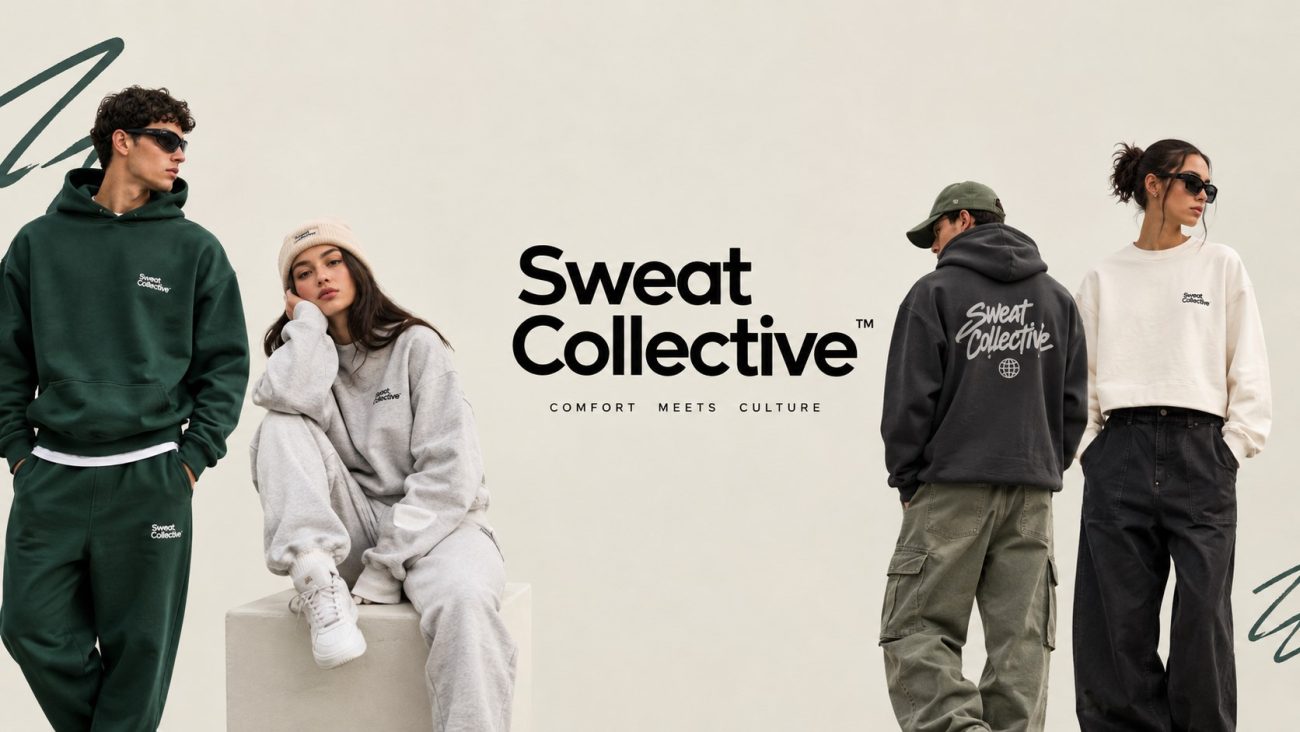
Matching sweatshirt sets have moved on from loungewear afterthought to a genuine wardrobe staple, but the look only holds up if the fit and proportion are sorted first. A set bought a size too big on top and too tight on the bottom reads as mismatched even when the colours are identical. The trick is treating the two pieces as separate garments that happen to share a palette, not a single uniform you throw on without thinking. Start by checking the hoodie or sweatshirt sits at the hip rather than bunching, and that the joggers or sweatpants taper without pulling across the thigh. Independent shops that focus on knitwear and casualwear, such as coramisa, tend to cut their sets with this balance in mind, which is worth noting if you are shopping for a first set rather than mixing separates yourself. Fabric weight matters just as much as colour. A heavier, brushed-back fleece drapes differently to a lighter loopback cotton, and pairing two different weights within one set can make the outfit look thrown together even when the shade matches exactly. Before buying, feel both pieces together if you can, or check the product description for weight in grams per square metre, since that figure tells you more than the photo ever will.
Key takeaways
- Fit matters more than colour when buying matching sweatshirt sets; aim for a relaxed top with slightly tapered bottoms.
- Washing both pieces together on the same cycle keeps colours and fabric texture aligned over time.
- Buying a set designed as one listing, rather than mixing separates, reduces the risk of mismatched fading.
Getting the fit right across both pieces
Matching sweatshirt sets live or die on how the two halves sit together on your body, so fit deserves more attention than colour at the buying stage. A boxy, oversized top paired with slim-fit bottoms creates an unbalanced silhouette, while a fitted top with wide bottoms can look like two unrelated outfits stitched together by accident. The safest route for most body shapes is a relaxed top with a slightly tapered bottom, which gives structure without looking stiff. Pay attention to sleeve length too. Sleeves that stop short of the wrist make a set look like it shrank in the wash, even on a brand new garment. Rise matters on the bottoms as well. A mid-rise waistband sits more comfortably under a cropped or regular-length hoodie than a low-rise cut, which can gape when you move. If you are tall or petite, try the set on together rather than trusting the size guide alone, since proportions vary more between brands than most shoppers expect. A set that fits well across shoulders, waist and ankle will always look more deliberate than one chosen purely because the colour was right. Fit is the difference between a set that reads as styled and one that reads as pyjamas worn outdoors by mistake.
Colour pairing and how far to push a matching look
Tonal matching, where the top and bottom are the exact same shade, gives the cleanest result and works well for anyone new to coordinated sweatshirt sets. It is also the easiest option to get wrong if the fabrics age differently, since one piece can fade or pill faster than the other and throw the match off after a few washes. A slightly safer long-term approach is choosing a set designed and sold together rather than assembling two separate purchases, because the dye lots and fabric treatments are more likely to age at the same rate. Shops with a focused range, including cora misa, often sell tops and bottoms as a single listing for exactly this reason. If full tonal matching feels too uniform, try a near-match instead: charcoal with black, or stone with a warmer sand, which still reads as coordinated without looking like a uniform. Breaking up a matching set with one contrasting item, such as white trainers or a different coloured cap, stops the outfit from looking too deliberate or costume-like. Avoid matching sweatshirt sets in very bright, saturated colours for everyday wear unless you are confident the shade suits your skin tone, since bold matching sets draw attention to colour rather than fit or styling.
Caring for matching sets so the pairing lasts
The fastest way to ruin a matching sweatshirt set is washing the two pieces separately on different cycles, since even small differences in temperature or spin speed can cause one half to shrink or fade more than the other. Wash both pieces together, inside out, on a cool setting, and avoid tumble drying on high heat if you want the colours to stay aligned for more than a few months. Fleece-backed sweatshirts in particular lose their softness quickly if dried on high heat, so air drying flat is worth the extra time. Store the top and bottom together rather than letting one drift into a different drawer, since a true matching set only works as a set if both halves are easy to reach when you are getting dressed. If you are building a capsule of coordinated pieces, a well-made coramisa hoodie paired with a plain tracksuit bottom in the same shade is a reasonable starting point for anyone who wants flexibility, since a hoodie can be worn solo once the matching set has had enough wear. Rotate between two or three sets rather than wearing one constantly, which spreads out wear and keeps the fabric looking fresher for longer. Good care habits matter more than the price paid for the set itself.
Frequently asked questions
Do matching sweatshirt sets need to be the exact same shade?
Not necessarily. Tonal matching gives the cleanest look, but a near-match such as charcoal with black can work just as well and is often easier to maintain as the pieces age.
How do I stop a matching set looking like pyjamas?
Focus on fit rather than just colour: a relaxed top with slightly tapered bottoms looks styled, while baggy, shapeless pieces read as loungewear. Breaking up the set with contrasting footwear also helps.
Should I wash both pieces of a matching sweatshirt set together?
Yes. Washing them on the same cycle and temperature keeps the colour and fabric texture aligned, which matters more for matching sets than for separates bought independently.