A Buying Checklist for Choosing Everyday Basics

Why a wardrobe basics checklist actually saves you money
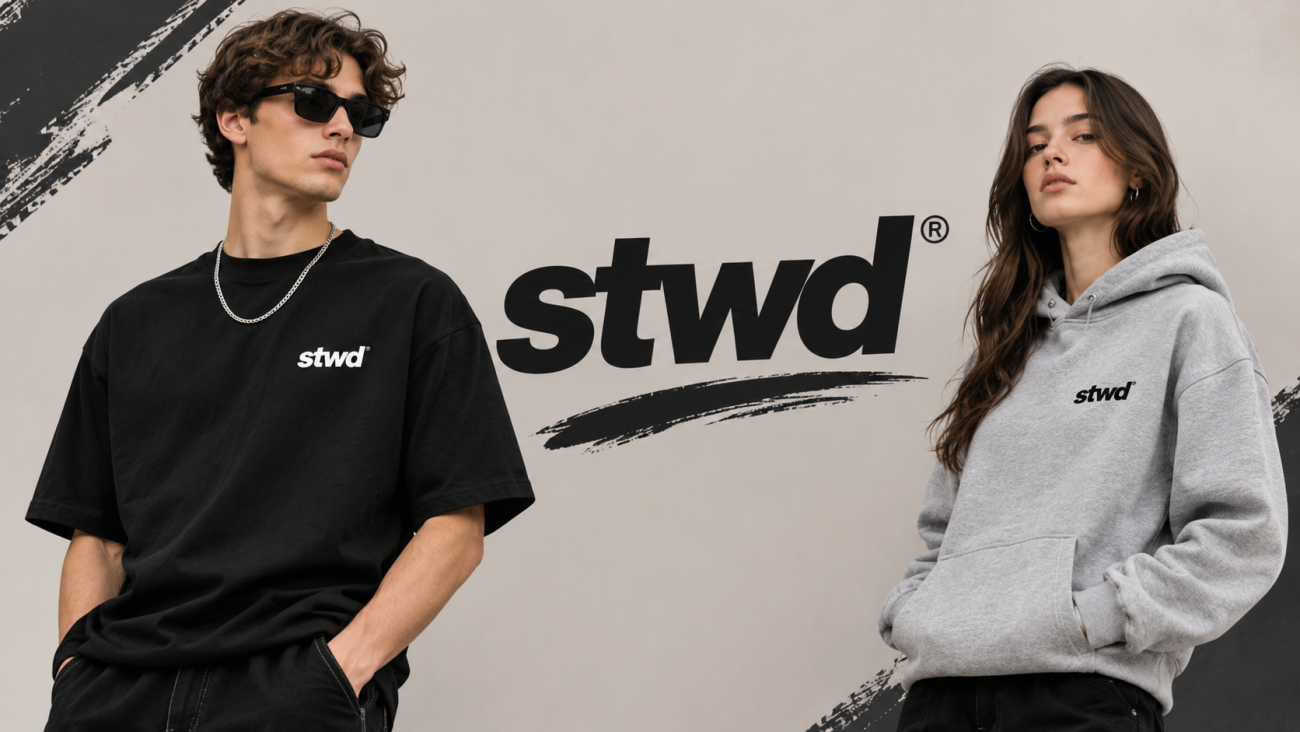
A wardrobe basics checklist sounds like an odd thing to need for a plain t-shirt or hoodie, but it stops you buying the same mediocre item three times. Most people end up with drawers full of basics that are slightly wrong: too thin, too tight, or pilled after six washes. Working through a short list before you buy means you spend once and wear the thing for years rather than months. If you want to see how a straightforward range of everyday pieces is laid out, the clothing section at stwd gives a sense of how basics are often grouped by weight and colour rather than by trend.
Key takeaways
- Check fabric weight and care labels before fit, since they tell you how long a basic will actually last.
- Prioritise garment measurements over size letters, as cuts vary widely between hoodies, t-shirts and sweatshirts.
- Build a small collection around two or three neutral colours plus one you wear often, for easier daily styling.
The point of basics is that they do quiet, constant work: under a jacket, on a weekend, as sleepwear if you are honest about it. That means the usual rules of fashion shopping do not apply. You are not buying for a photograph, you are buying for Tuesday mornings. A checklist keeps you honest about that and stops you being swayed by a nice colour that will not survive a wash with dark clothes.
Fabric weight and how it behaves over time
Fabric weight is the single most useful thing to check before anything else, because it tells you how a basic will hold its shape and how warm it will feel. Lighter cotton, under about 180 grams per square metre, is good for layering and for warmer months but can go thin and slightly see-through after repeated washing. Mid-weight cotton, roughly 220 to 280 grams, is the safest everyday choice: enough body to hold a shape, not so much that it feels like loungewear at a desk. Heavier fleece-back cotton, above 320 grams, suits hoodies and sweatshirts that need to carry their own structure without a jacket over the top.
Check the label rather than guessing by touch in a shop, since a brushed finish can feel heavier than the actual gram weight. If a label does not list weight at all, that is often a sign the garment is cheaply made and not worth building a basic around. A good everyday piece should feel the same in your hand after a dozen washes as it did on day one.
Fit, cut and what the care label is really telling you
Fit is where most basics go wrong, usually because people buy their normal size in a cut that is different from what they are used to. A boxy hoodie and a slim-fit t-shirt need different sizing logic even from the same brand, so always check the garment measurements rather than relying on the size letter. Shoulder seams that sit slightly past your own shoulder are fine for a relaxed look, but if they droop halfway down your arm the whole piece will look borrowed.
The care label deserves more attention than it usually gets. A basic that needs washing at 30 degrees and air drying will last far longer than one you can throw in at 40 and tumble dry, but only if you actually follow the instructions rather than ignoring them because they are inconvenient. Cotton blends with a small percentage of elastane recover their shape better after washing, which matters for anything fitted. If you are unsure whether a fabric will shrink, washing the first time on a cool, gentle cycle and letting it air dry is the safer default until you know how it behaves.
Colour, versatility and building a small, solid collection
Colour choice is where a checklist earns its keep, because it is tempting to buy five basics in five different shades and end up with nothing that actually goes together. A sensible starting point is two or three neutral tones, such as grey, navy or black, plus one colour you genuinely wear often. Neutral basics pair with almost anything else in a wardrobe, which means you get more wear per item and fewer mornings spent deciding what matches what.
Versatility also means thinking about how a basic layers. A hoodie that fits well under a coat is more useful than one that only looks right on its own, and a t-shirt that works both tucked in and loose earns its place twice over. When you are comparing a few options side by side, browsing the ropa stwd listings can be a useful way to see weight, fit and colour options laid out together rather than scattered across several different shops. Building a small collection this way, piece by piece against a checklist, tends to work out cheaper and less cluttered than buying in bulk on impulse.
Frequently asked questions
What fabric weight is best for an everyday hoodie?
Anything from around 280 to 350 grams per square metre tends to work well for daily wear, giving enough structure to hold shape without feeling bulky. Lighter weights suit layering under a jacket, while heavier ones work better as a standalone piece.
How many basics do I actually need?
A small, well chosen set of five to eight pieces in neutral tones usually covers most weekly needs better than a large, mismatched collection. Quality and fit matter more than quantity for items worn this often.
Should I size up for a looser fit in basics?
Sizing up can work for a relaxed look, but it is safer to check the garment’s shoulder and chest measurements rather than guessing, since cuts vary between brands and styles. A size up in a boxy cut can end up far looser than intended.