Going-Out Looks Built Around a Women’s Jacket

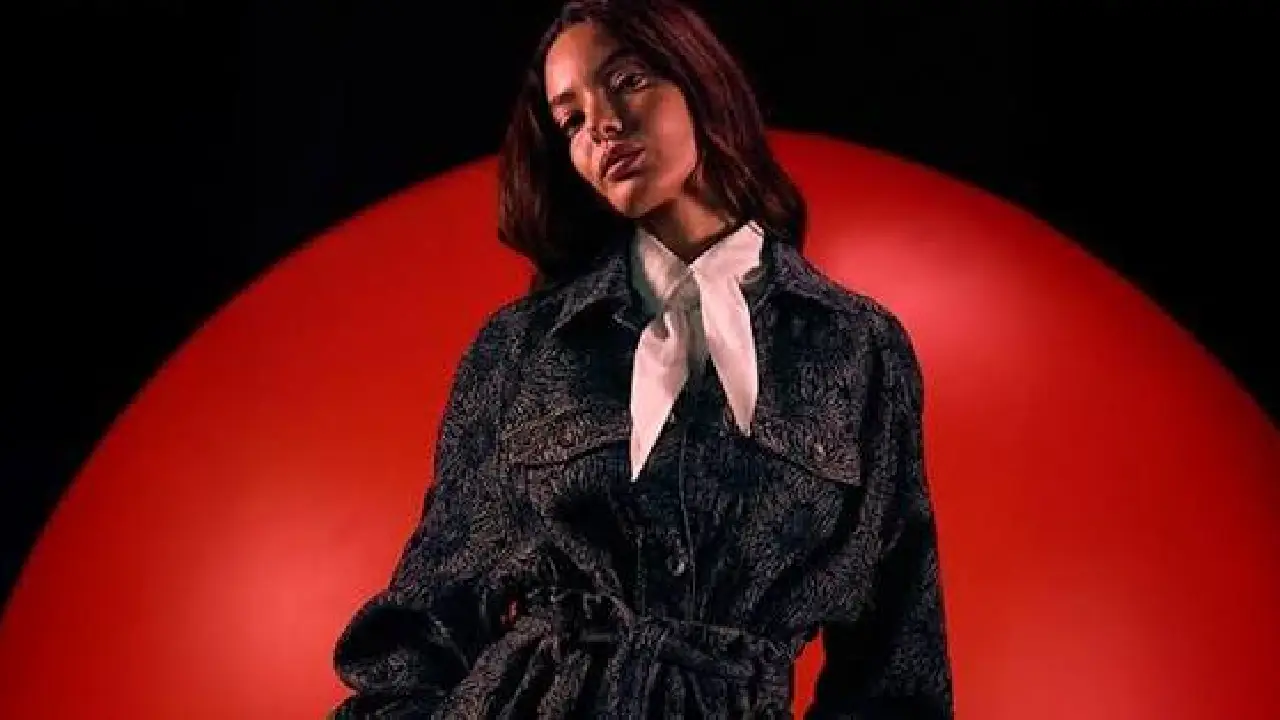
Why a jacket should lead a going-out look
A going-out jacket does more work than any other piece in the outfit. It sets the silhouette before anyone notices the top or trousers underneath, and it’s the first thing people register when you walk into a room. Most women default to a dress or a statement top for an evening out, then treat outerwear as an afterthought grabbed on the way to the door. That order should be reversed. Pick the jacket first, then build everything else to flatter its shape and weight. A cropped blazer asks for higher-waisted trousers or a longer skirt to balance proportions, while a longer tailored coat works better over something slim so you don’t end up swamped in fabric.
Key takeaways
The range at Drykorn Jeans shows what the difference looks like in practice.
- Choose the jacket first and build the rest of the outfit around its weight and shape.
- Match trouser and shoe formality to the jacket’s structure for balanced proportions.
- Keep layering thin under the jacket and care for it properly to protect its shape.
Shops that specialise in considered outerwear make this easier because the cut tends to be sharper than high street basics. For anyone starting from scratch, it’s worth browsing a site like drykorn, which carries jackets built with evening wear in mind rather than purely for daytime layering. Think about where you’re actually going too. A jacket for a cocktail bar needs a different drape to one for a late dinner where you’ll be sitting for hours, and that detail changes which cut suits you.
Building the outfit around weight and shape
Weight matters more than colour when you’re planning a going-out jacket. A heavy wool or boiled wool piece gives structure and holds its shape through a long night, which matters if you’re standing at a bar or dancing later. A lighter jacket, something in a fine gabardine or a soft satin finish, moves more and suits a dressier, fluid outfit where you want movement rather than architecture. Neither is better outright, it depends on the rest of the look and the season.
If your top or dress is already busy with texture or print, choose a plainer jacket in a mid or heavy weight so it reads as a frame rather than competing for attention. If your base layer is simple, a jacket with more presence, a strong shoulder, a longer line, unusual buttons, can carry the whole outfit. Trousers should echo the jacket’s formality: tailored trousers under a blazer, straight-leg or wide trousers under something boxier. Shoes finish the proportion story. A cropped jacket with heels elongates the leg line, while a longer coat paired with flats keeps things balanced rather than top-heavy.
Fabric, layering and fit for a night out
Fit changes everything about how a jacket reads once you’re out. Shoulders should sit at the natural shoulder point, not drooping past it, and sleeves should stop where your wrist bone ends unless you’re deliberately going for an oversized cropped look. Too loose and the jacket swallows the outfit underneath; too tight and you won’t be able to layer a cardigan or thin knit for warmth later in the evening, which matters more than people admit once the night gets colder.
Layering under a going-out jacket needs restraint. One thin top or camisole underneath keeps the line clean, while two or three layers start to bulk out the shoulders and change the fit you paid attention to in the first place. If you’re after options built specifically for women, a dedicated section such as drykorn damen is a reasonable starting point, since it narrows the search to cuts designed for a women’s frame rather than adapted from menswear patterns. Fabric choice also affects how the jacket photographs under evening lighting; matte finishes tend to look more flattering under warm bar lighting than anything too shiny.
Care and styling finishing touches
A going-out jacket gets more wear in a short window than most other pieces in a wardrobe, so care routine matters. Hang it properly after each wear rather than leaving it balled up in a bag or over a chair, since creasing sets into heavier wool faster than people expect. Spot clean spills immediately with a damp cloth rather than waiting until the morning, and follow the label’s guidance on dry cleaning frequency; over-cleaning wears out structured shoulders faster than regular spot care does.
Accessories should support the jacket rather than fight it. A single statement earring pair or a clutch in a contrasting texture works better than piling on multiple loud pieces that distract from the jacket’s lines. If you want a slightly more directional shape for the colder months, it’s worth looking at something like drykorn jacke for options with a stronger silhouette than a standard blazer. Whatever you choose, the aim is the same: let the jacket set the tone, then keep everything else quiet enough that it doesn’t get lost.
Frequently asked questions
What jacket weight works best for going out in winter?
A heavier wool or boiled wool jacket holds its shape better through a long night out and gives more warmth. Lighter fabrics suit warmer evenings or indoor venues where you won’t need extra insulation.
Can I wear a blazer instead of a dedicated going-out jacket?
Yes, a well-fitted blazer works well for evenings out, especially paired with tailored trousers or a slim skirt. Choose one in a slightly dressier fabric like satin-backed wool rather than a plain office cut.
How do I stop my going-out jacket from looking bulky over other layers?
Keep what’s underneath thin, a camisole or fine knit rather than multiple layers. Bulk usually comes from too much fabric at the shoulder, not the jacket itself.