Tracing the Origins of the Sweatshirt

Where the origins of the sweatshirt actually begin
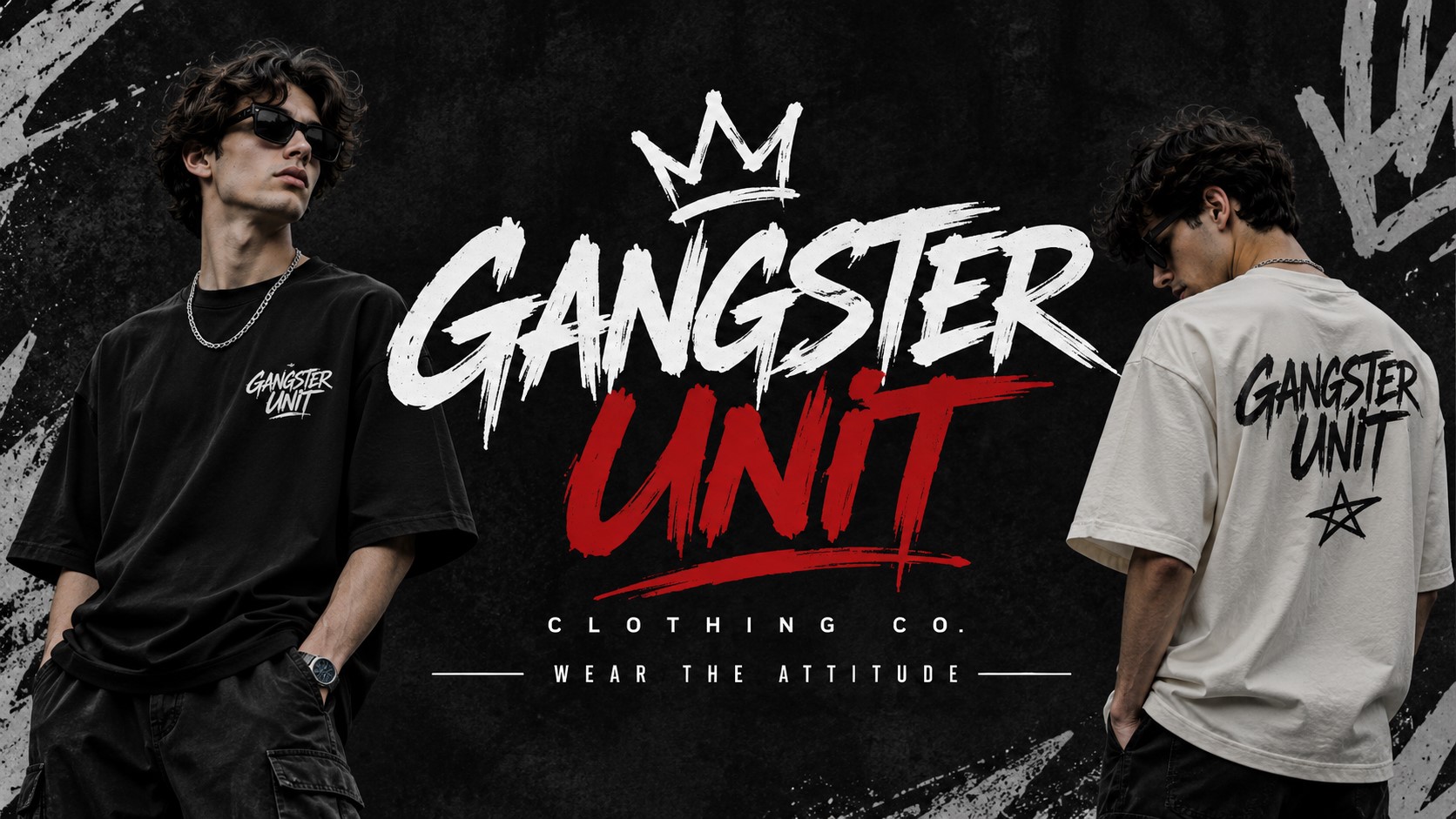
The origins of the sweatshirt sit closer to practical workwear than fashion. In the late 1920s, American athlete and textile worker Benjamin Russell Jr. is widely credited with developing a softer, more comfortable alternative to the scratchy wool jerseys athletes wore for training. His company began knitting thick cotton fleece into loose pullovers that could absorb sweat without chafing the skin, hence the name. These early garments were plain, grey, and built for function rather than looks. They were handed out to American footballers and labourers who needed something warm enough for cold mornings but breathable enough for hard graft. There was no branding, no fit consideration beyond roominess, and certainly no thought that decades later people would browse racks of them for a weekend look. Brands such as gangster unit now sit at the other end of that story, selling sweatshirts shaped by decades of design refinement rather than pure necessity. Understanding that gap between function and fashion helps explain why the sweatshirt still feels both rugged and easy to dress up.
Key takeaways
- The sweatshirt began as practical 1920s workwear and sports kit made from sweat-absorbing cotton fleece.
- College branding and post-war availability turned it from a specialist item into an everyday staple by the 1950s.
- Hip hop and streetwear culture in the 1970s and 1980s gave the sweatshirt and later the hoodie their rebellious, statement-piece identity.
How the sweatshirt spread beyond the sports field
By the 1930s and 1940s, the sweatshirt had moved well past athletic kit. American colleges began printing team names and mascots across the chest, turning a sweat-absorbing garment into a badge of belonging. Schools found that fleece held printed ink better than thinner jerseys, and that single detail pushed the sweatshirt into everyday campus life. Soldiers returning from the Second World War brought a taste for simple, warm clothing home with them, and manufacturers responded by making sweatshirts more widely available on the high street rather than just through sports suppliers. Colour options expanded slowly, first into navy and maroon, then into brighter shades as dye technology improved. Women’s versions appeared too, though slimmer cuts took longer to catch on than the boxy unisex shape most people associate with the garment today. By the 1950s, the sweatshirt had quietly become a staple rather than a specialist item, worn for gardening, lounging, or layering under a jacket on a cold commute. None of this happened with any single big launch moment; it crept in gradually, driven by comfort and low cost rather than marketing.
Streetwear, hip hop, and the sweatshirt’s second life
The sweatshirt found a second identity in the 1970s and 1980s, when hip hop culture in New York adopted it as part of a distinct visual language. Heavyweight fleece, often oversized, paired naturally with the loose silhouettes favoured on the street and in early rap videos. Logos and crew names replaced college mascots, and the garment became a canvas for identity rather than institutional pride. This period is where a lot of today’s streetwear sweatshirt brands trace their roots, even if the actual companies came later. Shops describing themselves as gangster unit clothing draw on that same lineage, where a sweatshirt says something about where you’re from and what you listen to as much as how warm you need to be. The appeal wasn’t subtle: bold graphics, heavy cotton, and a fit loose enough to layer over a t-shirt in any weather. That era also cemented the idea that a sweatshirt could be a statement piece rather than something worn only when nothing else was clean. It’s one reason the garment still carries a slightly rebellious edge even in its plainest grey form.
The sweatshirt and hoodie today
The modern sweatshirt market splits broadly into crewnecks and hooded versions, with the hood itself tracing back to 1930s workwear designed for labourers in cold warehouses. That hooded branch has arguably overtaken the plain crewneck in popularity, partly through sportswear and partly through decades of film and music culture. Anyone shopping now will notice how much weight, fit, and fabric blend vary between brands, something barely considered in the garment’s early decades. A heavier fleece drapes differently to a lighter one, and oversized cuts behave differently again once washed a few times. For readers curious about how a hooded version compares to the original crewneck shape, a g unit hoodie offers a useful reference point for the kind of relaxed, streetwear-leaning fit that grew out of that 1970s and 1980s period. Knowing the history doesn’t just satisfy curiosity; it explains why certain cuts and weights feel more
Frequently asked questions
When was the sweatshirt invented?
The sweatshirt is generally traced to the late 1920s, developed as a softer alternative to scratchy wool jerseys for athletes and labourers. Benjamin Russell Jr. is widely credited with popularising the fleece construction that defines it.
Why is it called a sweatshirt?
The name comes from its original purpose: absorbing sweat during physical activity. Early versions were plain cotton fleece pullovers worn for training and manual work rather than for style.
How did the hoodie develop from the sweatshirt?
The hooded version emerged in the 1930s, designed for workers in cold warehouses who needed extra protection around the neck and head. It later became closely tied to streetwear and hip hop culture from the 1970s onwards.