Styling a Jacket for Autumn and Winter Days


Winter jacket layering starts with the right base
Winter jacket layering starts the moment you choose what goes underneath, not when you zip up the outer shell. A jacket only does its job properly if the layer beneath it is doing some of the work too. A midweight hoodie or a brushed-back sweatshirt gives you warmth without bulk, which matters once you add a jacket on top and still need to move your arms freely. Thin cotton tees leave gaps of cold air; thick knits can make the jacket sit oddly across the shoulders. The middle ground, something with a bit of weight but not a lot of volume, tends to work best.
Key takeaways
- Choose a hoodie or sweatshirt base with moderate weight so the jacket fits over it without bulk.
- Pick a jacket with a roomier cut and simple collar so it sits well over hoods.
- Finish the outfit with a scarf, boots and accessories in tones that complement the jacket.
Colour matters here too. A neutral hoodie in grey, navy or stone lets the jacket do the visual work, which is useful if the jacket itself is a bolder colour or has a distinct cut. For a straightforward example of a well cut outer layer, ryoko rain stocks a small range of jackets that sit comfortably over heavier knitwear without pulling at the seams. Getting this base right before you think about the jacket saves a lot of guesswork later, because everything else in the outfit follows from how the first two layers fit together.
Choosing a jacket that pairs well with hoodies and sweatshirts
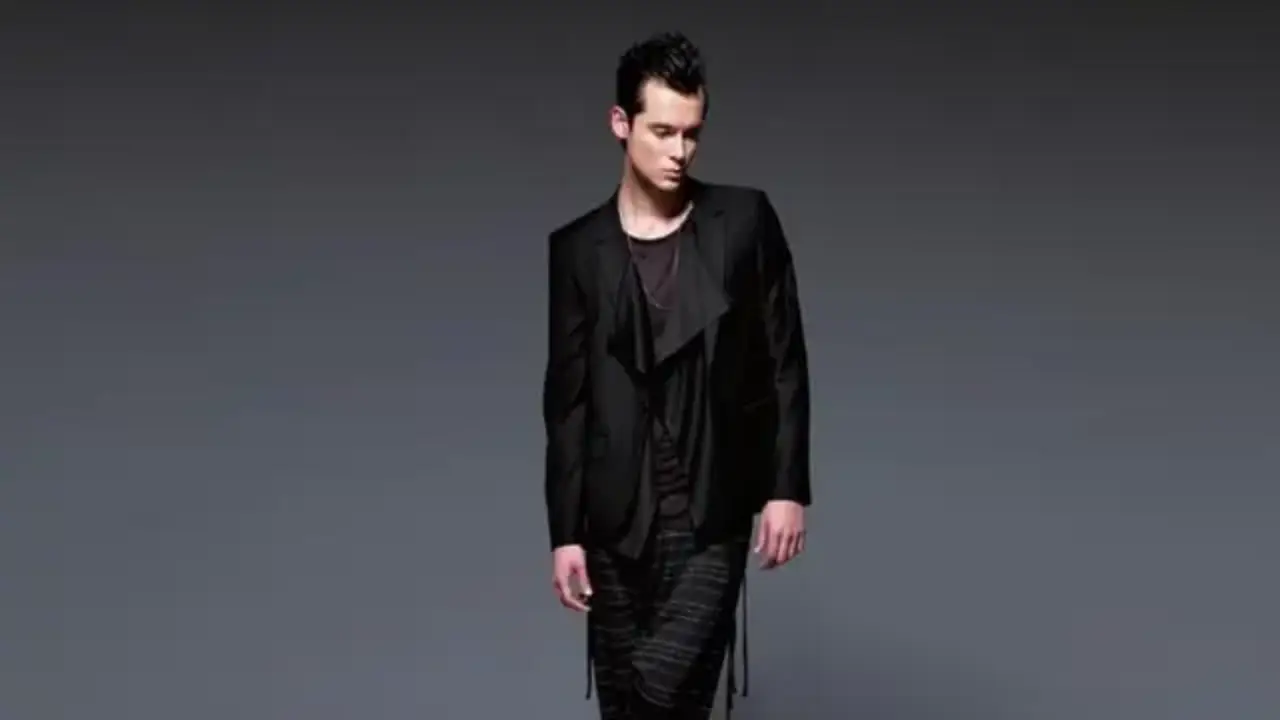
Not every jacket is built to sit over a hoodie. Slim-cut blazers and fitted bombers often look pinched once there is a hood and a bit of fleece underneath. What works better for autumn and winter is a jacket with a slightly roomier cut through the chest and sleeves, enough to let a sweatshirt breathe without the whole thing looking baggy. Length matters as well. A jacket that stops at the hip tends to flatter a hoodie more than one that runs much shorter or longer, since it keeps the proportions balanced rather than cutting the body into odd sections.
Hood compatibility is worth a moment’s thought too. If your hoodie has a thick hood, a jacket with a high collar or its own hood can bunch awkwardly at the back of the neck. A plain collar or a soft-shell style tends to sit flatter. The ryoko rain jacket is a useful reference point here, as its simpler construction shows how a shell can rest over a hood without adding noticeable bulk at the shoulders. Once you find that shape, most of your sweatshirts and hoodies will layer under it without a fight.
Fabric and fit for cold weather
Fabric choice decides how much your jacket actually helps once the temperature drops. Cotton canvas and thin nylon look sharp but offer little insulation on their own, which is fine if you are relying on the layers underneath to do the warming. Wool blends and quilted or padded shells carry more warmth by themselves, useful on days when you cannot pile on three layers under a coat. For most autumn days, a mid-layer jacket over a sweatshirt covers the gap between a light jumper and a full winter coat, and it is this middle category that gets the most wear through October and November.
Fit changes with the season too. A jacket bought to wear over a t-shirt in spring will likely feel tight once a hoodie and a base layer go underneath it in December. It is worth trying a jacket on with the thickest hoodie you own before buying, rather than assuming the sizing will stretch to fit. Zips and buttons should close without strain across the chest, and sleeves need enough room to bend an elbow comfortably. A jacket that fits well in isolation can still feel wrong once winter layering is added, so test it with the actual outfit you plan to wear.
Finishing touches that make the outfit work
The small details are what separate a jacket that looks thrown on from one that looks considered. A scarf tucked into the collar adds warmth at the neck, which is often the first place the cold gets in. Boots with a slightly chunky sole balance out a jacket’s shoulders and stop the whole look from feeling top-heavy, particularly with a longer hoodie underneath. Gloves and a beanie in a similar tone to the jacket or hoodie pull the outfit together without needing to match exactly.
Texture is worth thinking about as well. Pairing a smooth jacket with a ribbed or waffle-knit sweatshirt gives the outfit some visual interest rather than everything reading as flat and uniform. Browsing ryokorain is a reasonable way to see how a plain jacket can be dressed up with nothing more than a few considered accessories. None of this needs to be complicated. Once the base layer, the jacket and a couple of finishing pieces are sorted, the rest of a winter outfit tends to fall into place on its own.
Frequently asked questions
What should I wear under a jacket in winter?
A midweight hoodie or brushed sweatshirt works well, as it adds warmth without the bulk that thicker knits can create under a fitted jacket. Keep the colour neutral so the jacket stands out as the main piece.
Should a winter jacket fit loose or tight?
It should fit comfortably over your usual layers, not just on its own. Try it on with a hoodie underneath before buying, so the sleeves and chest have enough room once winter layers are added.
How do I stop a jacket looking bulky over a hoodie?
Pick a jacket with a slightly roomier cut and a plain collar rather than a tight fit or thick hood, and keep the hoodie underneath at a moderate weight rather than an extra-thick fleece.