Coordinating Matching Clothing Sets for a Polished Look


Why Matching Clothing Sets Look Deliberate
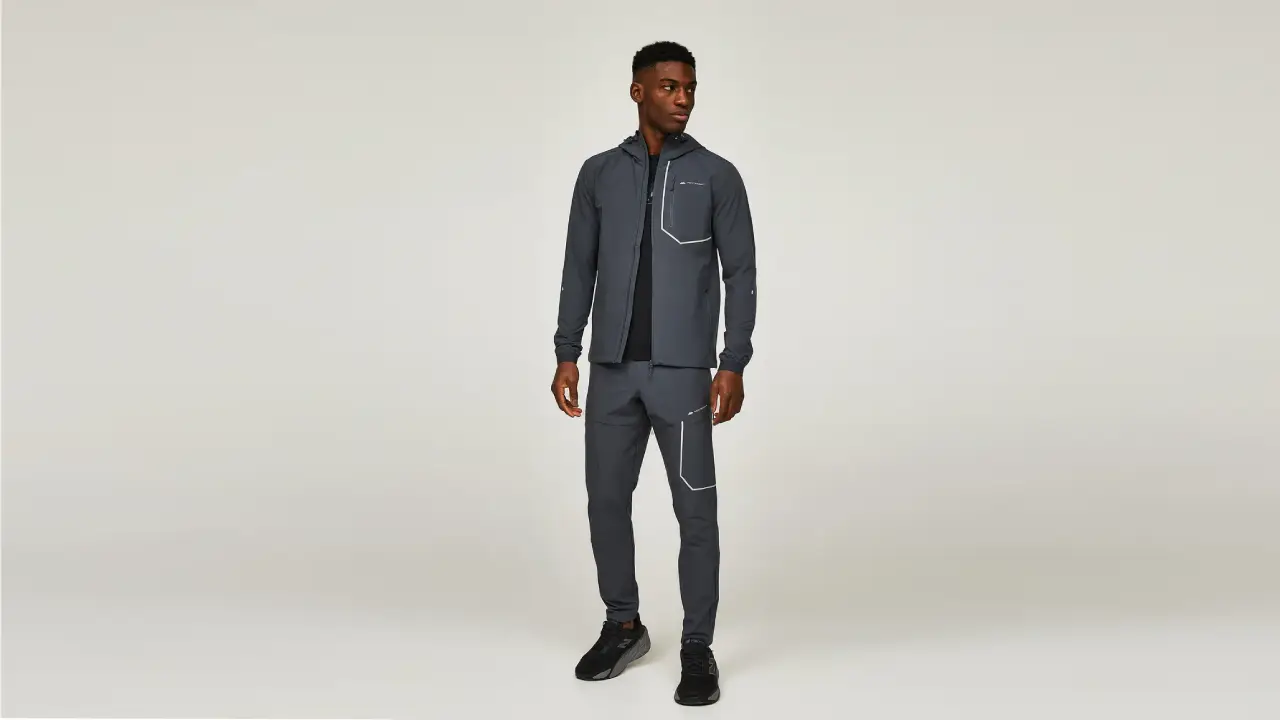
Matching clothing sets have moved well past the gym bag and into everyday wardrobes, and there’s a simple reason why: a hoodie and joggers cut from the same fabric, in the same shade, read as an outfit rather than two separate purchases. The eye registers one block of colour instead of two competing pieces, which is why a co-ord can look sharper than a smart jacket thrown over odd trousers. The trick is that the matching has to be exact. A grey hoodie paired with slightly-off-grey joggers looks like a mistake, not a choice.
Key takeaways
- Match fabric weight and texture, not just colour, so both pieces age and feel the same way.
- Try the hoodie and joggers on together, since fit that works separately can look disproportionate as a set.
- Wash and store both pieces together to stop them fading or pilling at different rates.
Brands have caught on to this, and some smaller labels build entire ranges around tonal sets rather than separates. One example is breathedivinity, a shop that sells clothing built around coordinated pieces rather than one-off basics. Shopping from a range designed as sets removes a lot of the guesswork, since the dye lots and fabric weights are already matched for you.
If you’re buying separates instead, hold both pieces together in daylight before paying. Shop lighting flatters mismatched greys and blacks far more than a window or a doorway does. Matching clothing sets only work if the match actually holds up outside the shop, so this five-second check saves a lot of wardrobe regret later.
Picking the Right Weight and Fabric
A set only looks polished if both pieces feel like they belong to the same garment. That means matching the weight of the fleece, not just the colour. A heavyweight hoodie paired with lightweight joggers creates a visual imbalance, because the hoodie sits stiffer and boxier while the bottoms hang thin and soft. Look for sets described with the same gsm figure, or at least the same general category: midweight brushed-back fleece on top and bottom, for instance, rather than mixing a thick hoodie with jersey-cotton joggers.
Brushed interior fleece tends to pill faster on the areas that rub most, usually the inner thighs on joggers and the cuffs on a hoodie. If one piece is a heavier blend and the other is thinner cotton, they’ll age at different speeds, and within a few washes your matching set stops looking matched. Buying both pieces from the same production run, ideally the same order, avoids this.
Texture matters as much as weight. A ribbed hem on the hoodie should be echoed somewhere on the joggers, whether that’s the ankle cuff or the waistband, so the two pieces share a visual language rather than just a colour. Small details like this are what separate a genuine coordinated set from two items that simply happen to be the same shade.
Getting the Fit Right on Both Pieces
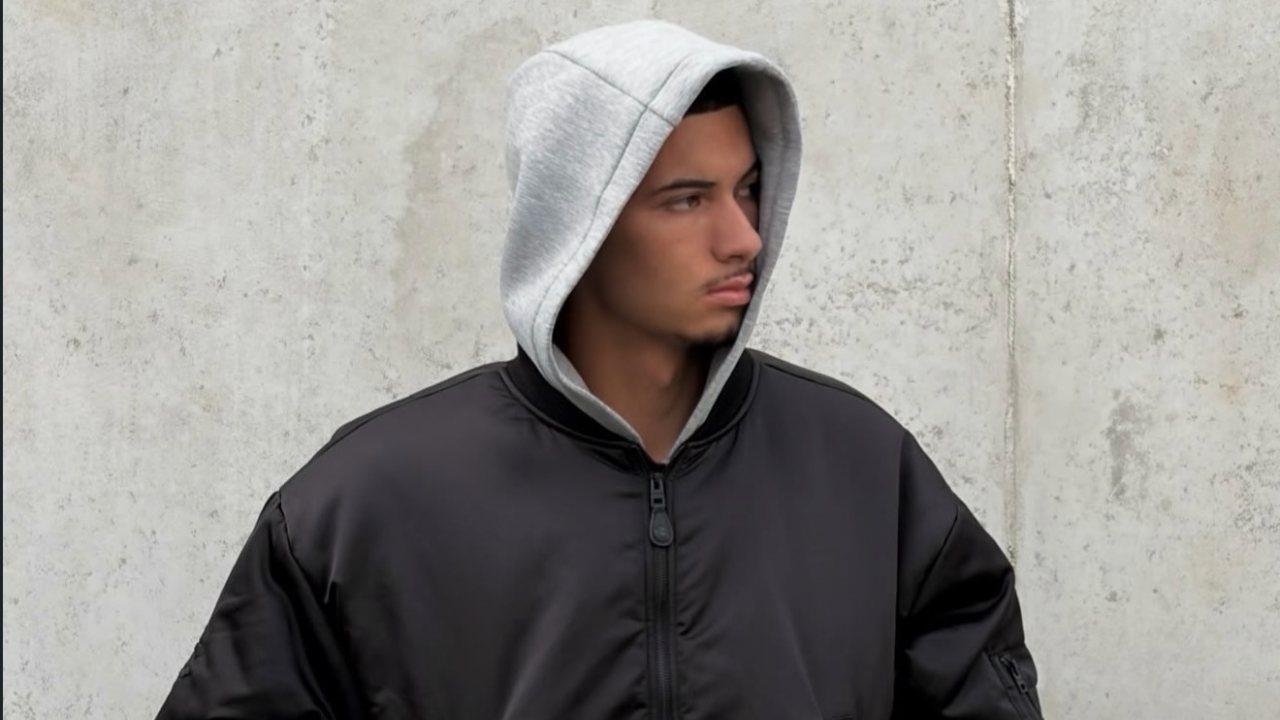
Fit is where most matching clothing sets fall apart, even when the colour is perfect. An oversized hoodie needs joggers with enough room through the leg to balance it, otherwise you end up with a heavy top half and a skinny bottom half that looks disproportionate. The general rule: if the hoodie is boxy and dropped-shoulder, go for a tapered but roomy jogger rather than anything skin-tight.
Length matters too. A hoodie that stops right at the hip looks neat with joggers sitting at the natural waist, while a longer, hip-covering hoodie usually needs a lower-rise jogger underneath so you don’t end up with fabric bunching at the midsection. Try the set on together, not separately, since a hoodie that looks fine on its own can completely change proportions once it’s tucked against joggers rather than jeans.
Shoulder seams are worth checking closely on the hoodie half of any set, since a seam that sits too far down the arm will shorten the sleeve and throw off the whole silhouette. A shop such as breath divinity lists sizing by piece rather than as a single blanket size, which makes it easier to get the proportions right across both the top and the bottom.
Styling and Caring for Your Set
Once you’ve got the fit and fabric sorted, styling a matching set is mostly about restraint. Adding too many extra layers or accessories undoes the clean look you’ve just built. A simple jacket in a neutral tone, trainers that don’t clash too hard with the set’s colour, and minimal jewellery usually work best. Save bold accessories for days you’re wearing separates instead.
Care is the other half of keeping a set looking coordinated. Wash both pieces together, every time, so they fade at the same rate. If you wash the hoodie on its own one week and the joggers with a dark load the next, you’ll notice a colour gap within a couple of months, especially with black or navy sets. Turn both pieces inside out before washing and avoid high heat in the tumble dryer, since fleece shrinks unevenly between the top and bottom if one piece is thicker than the other.
Storing the set together, folded or hung as a pair, is a small habit that keeps you actually wearing it as a set rather than letting the pieces drift into separate rotations. Retailers like breaththedivinity that focus on clothing sets often include care notes specific to the fabric blend, which is worth reading properly rather than skimming, since brushed fleece and jersey cotton don’t always want the same wash temperature.
Frequently asked questions
What makes a matching clothing set look cheap instead of polished?
Mismatched fabric weight or a slightly off colour match between the top and bottom usually gives it away. Buying both pieces from the same range or order, rather than mixing separates, avoids this problem.
Can you wear a matching set as separates later?
Yes, most sets work fine broken up once you’ve had them a while. Just keep an eye on fading, since a hoodie worn more often than its matching joggers will lighten faster and stop pairing well with the rest of the set.
How do I choose the right size for a two-piece set?
Check the sizing for the hoodie and the joggers separately rather than assuming one size covers both, since cut and proportion often differ between the two pieces even within the same set.