Understanding Fabrics Used in Sweatshirts

Sweatshirt fabrics matter more than most shoppers realise, because the fibre and the knit decide how a top feels, how it ages and how often you’ll actually reach for it. Walk into any shop and you’ll see labels mentioning cotton, polyester, fleece and blends, but few explain what those words actually mean on your back. If you want a reliable starting point, mercier stocks a range of styles that show the differences clearly, which is as good a place as any to begin comparing weights and finishes.
Key takeaways
- Loopback cotton, brushed fleece and cotton-polyester blends behave very differently in warmth, breathability and shrinkage.
- Fabric weight and composition affect fit as much as sizing, with heavier cotton holding a boxier shape.
- Washing and drying choices should match the fabric, since cotton shrinks more and fleece pills faster under heat.
The main sweatshirt fabrics explained
Most sweatshirts are built from one of three base approaches: loopback cotton, brushed fleece, or a cotton-polyester blend. Loopback cotton keeps its looped underside untouched, so it stays breathable and holds its shape well after washing, though it’s a bit heavier to dry. Brushed fleece has that underside brushed into a soft nap, which traps warmth but can pill faster with repeated wear. Blended fabrics mix cotton’s comfort with polyester’s durability and lower shrinkage, often making them the practical middle ground for everyday wear.
If you want a reliable starting point, mercier stocks a range of styles that show the differences clearly, which is as good a place as any to begin comparing weights and finishes.
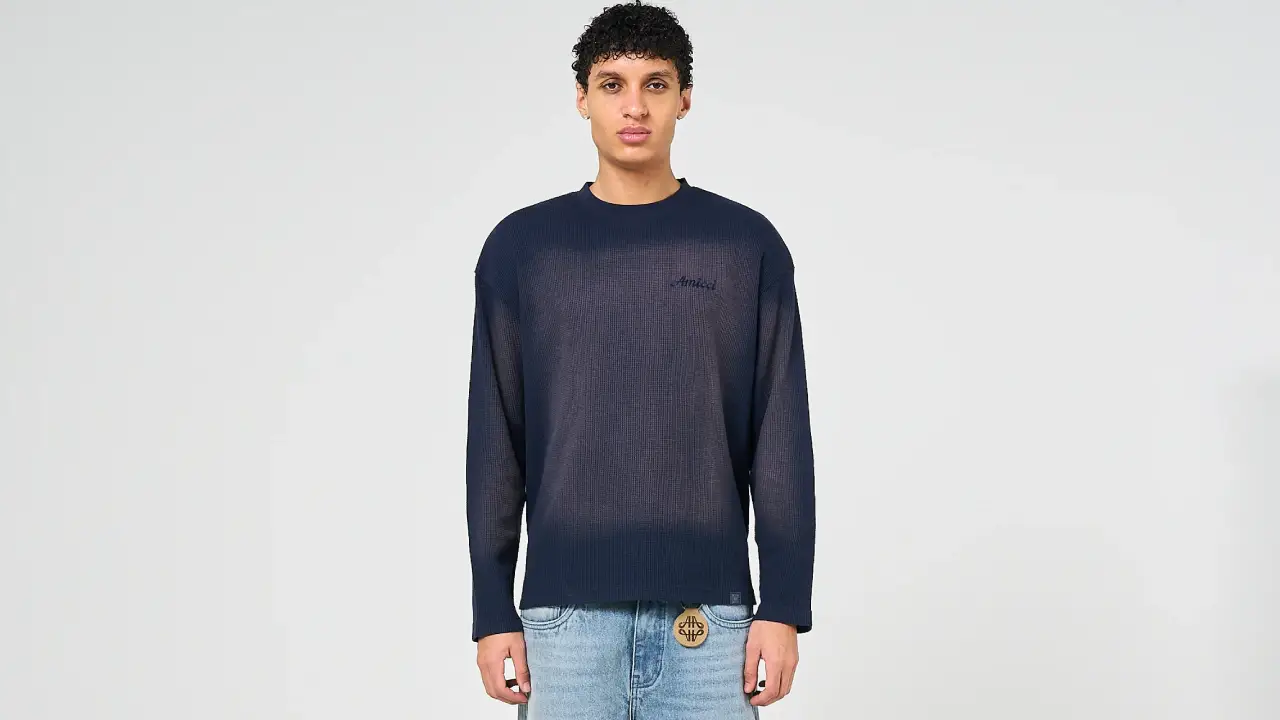
Weight is the other half of the story. A sweatshirt described as 300gsm or above will feel substantial and sit well through a UK winter, while anything under 250gsm suits layering or milder months. Garment-dyed pieces, where the fabric is dyed after the sweatshirt is sewn, tend to show softer, slightly uneven colour that many people prefer to flat, uniform dyeing. None of these choices is wrong, but knowing which one you’re buying helps you judge whether a price reflects the fabric or just the branding.
If you’re after something versatile for both lounging and light outdoor wear, a mercier tracksuit built from a blended fabric is a sensible example of how that balance plays out in a full outfit rather than just a single top.
Cotton, polyester and blends compared
Pure cotton sweatshirts breathe well and feel natural against skin, which is why they’re favoured for everyday wear rather than heavy activity. The trade-off is that cotton absorbs moisture and takes longer to dry, so it can feel clammy if you’re sweating in it. Polyester, on the other hand, wicks moisture and dries fast, making it a sensible pick for anyone wearing a sweatshirt during exercise or travel, though it can feel less breathable in warm rooms.
If you’re building a small rotation of go-to pieces, a mercier hoodie made from a heavier cotton blend is a good example of a fabric that rewards this kind of simple, consistent care.
Blended fabrics, usually a mix of cotton and polyester, try to take the best of both. A common split is around 80% cotton to 20% polyester, which keeps most of cotton’s softness while reducing shrinkage and speeding up drying time. These blends also tend to resist pilling better than pure cotton fleece, which matters if you’re washing a sweatshirt weekly. If you’re after something versatile for both lounging and light outdoor wear, a mercier tracksuit built from a blended fabric is a sensible example of how that balance plays out in a full outfit rather than just a single top.
How fabric choice affects fit and feel
The fabric doesn’t just decide warmth, it decides how a sweatshirt sits on the body. Loopback cotton has less stretch, so it tends to hold a boxier, structured shape, which suits an oversized or relaxed fit. Fleece and jersey-based fabrics have more give, so they follow the body more closely and often feel better under a jacket. If you prefer a slouchy silhouette, look for heavier cotton with minimal elastane; if you want something that moves with you, a fabric with a small percentage of stretch fibre will serve better.
Shrinkage is worth planning for too. Cotton sweatshirts can shrink a noticeable amount in their first few washes, especially if dried on high heat, so buying slightly looser than you think you need often pays off. Blended and synthetic fabrics shrink far less, which is handy if you want a consistent fit wash after wash. Checking the fabric composition label before buying, rather than just the size tag, will tell you more about how the sweatshirt will actually sit on you in six months than the size alone ever could.
Caring for different sweatshirt fabrics
How you wash a sweatshirt should follow its fabric, not just the care label’s temperature suggestion. Cotton fleece does best washed inside out on a cool or warm cycle, since this reduces pilling on the brushed surface and keeps colour from fading as quickly. Tumble drying on low heat is fine occasionally, but air drying extends the life of the fabric and avoids the shrinkage that high heat causes.
Polyester and blended sweatshirts tolerate machine washing well and dry faster, though fabric softener can clog the fibres over time and reduce breathability, so it’s worth skipping it every few washes. Whatever the fabric, avoid ironing directly on printed designs, and store sweatshirts folded rather than hung, since hanging can stretch the shoulders out of shape over a season. If you’re building a small rotation of go-to pieces, a mercier hoodie made from a heavier cotton blend is a good example of a fabric that rewards this kind of simple, consistent care.
Frequently asked questions
What is the best fabric for a warm sweatshirt?
Brushed fleece or heavier cotton loopback, usually above 300gsm, gives the most warmth. Blended fabrics with a brushed inner also work well if you want warmth without the extra weight of pure cotton.
Do cotton sweatshirts shrink a lot?
Pure cotton sweatshirts can shrink noticeably in the first few washes, particularly with high heat drying. Washing on a cool cycle and air drying helps keep the original size closer to true.
Is polyester or cotton better for sweatshirts?
Cotton feels softer and breathes better for everyday wear, while polyester dries faster and resists shrinking. Many people find a cotton-polyester blend gives a practical balance between the two.