How to Fold and Store a Tracksuit So It Keeps Its Shape

Why Folding a Tracksuit Properly Matters
Folding a tracksuit the right way is one of those small habits that makes a real difference over time. Tracksuits are usually made from cotton blends, fleece or jersey, and these fabrics hold creases more stubbornly than you might expect. Shove a tracksuit into a drawer in a crumpled heap and you’ll often need to re-press it before wearing it again, which wears the fibres faster than normal use. A shop like monterrain stocks tracksuits built from decent fabric weights, and even well made pieces need sensible care to last.
Key takeaways
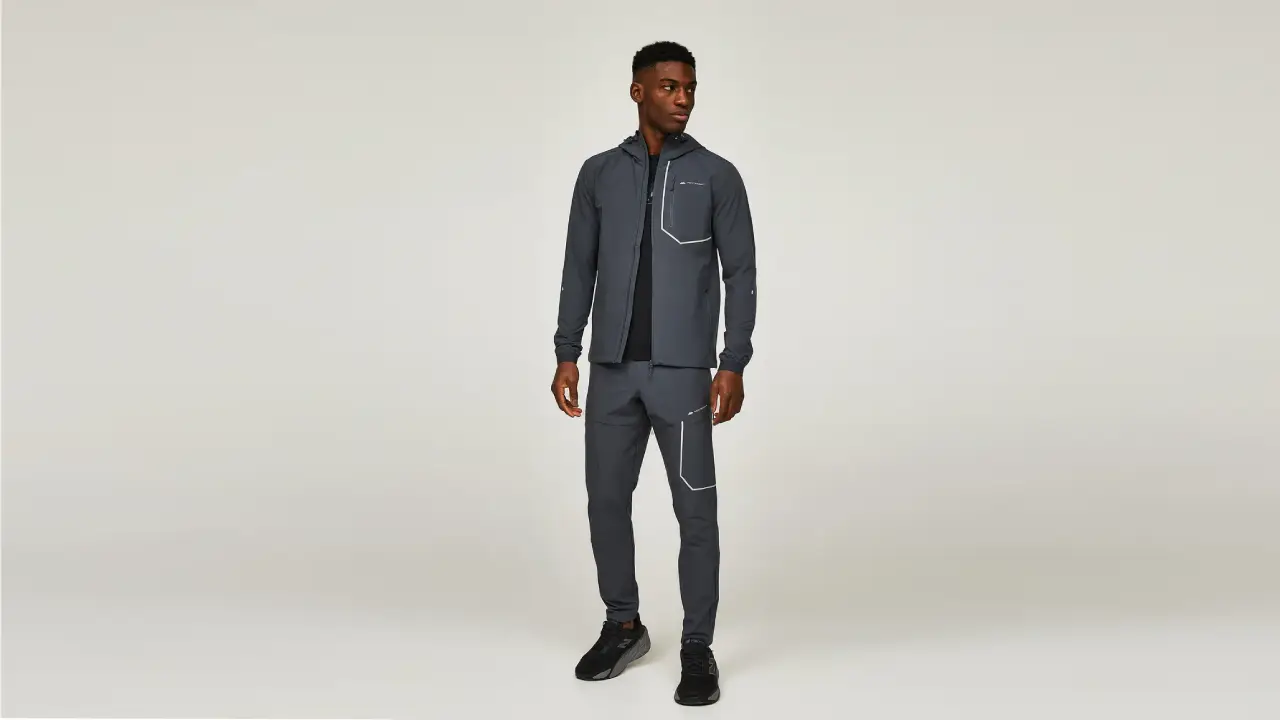
For a closer look at the pieces described here, see monterrain jacket.
- Fold tracksuit tops and joggers along natural seams and avoid creasing zips, logos or ribbed cuffs.
- Store heavier fleece tracksuits flat on shelves or low in drawers, away from sunlight and damp.
- Let tracksuits cool and air out before folding, and rotate stacking to avoid permanent crease lines.
The goal with folding is simple: minimise sharp creases, avoid stretching the waistband or cuffs, and keep the set as flat and compact as possible without crushing the fabric. This matters more for heavier fleece tracksuits, which can develop permanent fold lines if left folded the same way for months. Lighter jersey sets are more forgiving but still benefit from a proper fold rather than being balled up.
Storage habits also affect how quickly a tracksuit starts to look tired. A tracksuit that’s folded loosely, kept away from damp and not squashed under heavier items will stay in better shape for years. It’s a five minute habit that pays off every time you reach for it.
The Best Way to Fold a Hoodie Top and Joggers
Start with the top. Lay it flat, face down, and fold the sleeves in across the back so they sit neatly along the spine of the garment rather than hanging loose. Then fold the bottom hem up to meet the collar, or fold it into thirds if you want a smaller, drawer-friendly shape. Avoid folding directly along the zip or any printed logo, since repeated creasing in the same spot can crack prints or stress the zip teeth over time.
For joggers, lay them flat and match the legs together first. Fold from the waistband down, or fold the legs in half and then roll gently from the waist to the ankle hem. Rolling is particularly good for joggers with elastic cuffs, since it avoids a hard crease right at the ankle that can weaken the elastic. If the tracksuit has a ribbed hem or cuff, try to keep that section uncreased wherever possible, as ribbing loses its stretch faster than the main fabric.
Whichever method you choose, consistency helps. If you always fold the same tracksuit the same way, any crease lines that do form will match the garment’s natural fold points rather than fighting against them.
Choosing Where and How to Store Tracksuits
A drawer is fine for everyday tracksuits, but how you stack them matters. Keep heavier fleece sets near the bottom of a pile and lighter jersey pieces on top, since the weight of thick fabric can compress and flatten anything stored underneath it. Avoid cramming a drawer so full that garments are forced into tight, permanent folds; tracksuits need a little breathing room to stay in shape.
If you’re storing a tracksuit for longer, such as over a warm season when you won’t wear it, a breathable cotton storage bag is better than an airtight plastic one, which can trap moisture and encourage a musty smell. Shelves work well too, provided the stack isn’t too tall. A shop such as monterrain tracksuit range includes pieces in various weights, and heavier sets in particular benefit from flat shelf storage rather than being hung, since hanging can pull a tracksuit out of shape at the shoulders over months.
Keep tracksuits away from direct sunlight in storage, since UV exposure fades colour unevenly, especially on darker shades.
Everyday Habits That Keep Tracksuits in Shape
Small daily habits matter as much as the fold itself. Always let a tracksuit cool and air out fully after wearing it before folding it away, since packing away warm, slightly damp fabric encourages creasing and odour. A quick shake-out before folding also removes loose fluff and resets the fabric’s drape, making the fold sit flatter from the start.
Rotate how you stack tracksuits in a drawer so the same piece isn’t always on the bottom carrying the weight of everything else. If you notice a stubborn crease that folding hasn’t shifted, a cool iron or a low-heat steam pass usually sorts it out, though always check the care label first since some fleece blends don’t respond well to direct heat.
It’s also worth thinking about outerwear in the same way. A heavier piece, such as a monterrain coat, needs similar care around folding and storage, since dense fabrics crease deeply if left bunched up for long periods. The same logic applies across most of your wardrobe: fold with the fabric’s natural lines, store with a little space, and keep everything away from damp or direct sun. Follow that routine and your tracksuits will stay presentable for years rather than months.
Frequently asked questions
Should you fold or hang a tracksuit?
Folding is usually better for tracksuits, especially heavier fleece sets, since hanging can stretch the shoulders out of shape over time. Lighter jersey tracksuits can be hung occasionally without much risk, but folding remains the safer everyday choice.
How do you stop tracksuit joggers from creasing at the ankle?
Roll the joggers from the waistband down to the ankle instead of folding them flat, which avoids a hard crease right at the ribbed cuff. This keeps the elastic from weakening at a single fold point.
Can you store tracksuits in plastic bags long-term?
It’s best to avoid airtight plastic bags for long-term tracksuit storage, as they trap moisture and can lead to a musty smell. A breathable cotton storage bag or an open shelf is a better option.