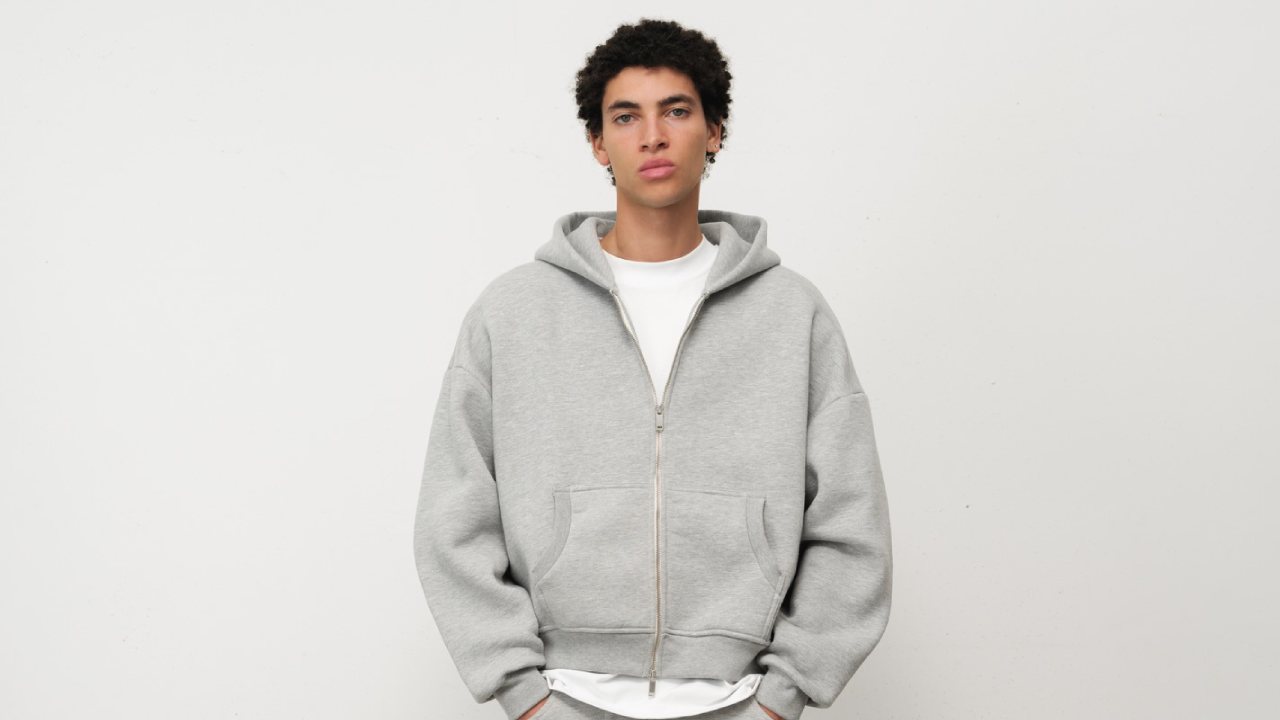
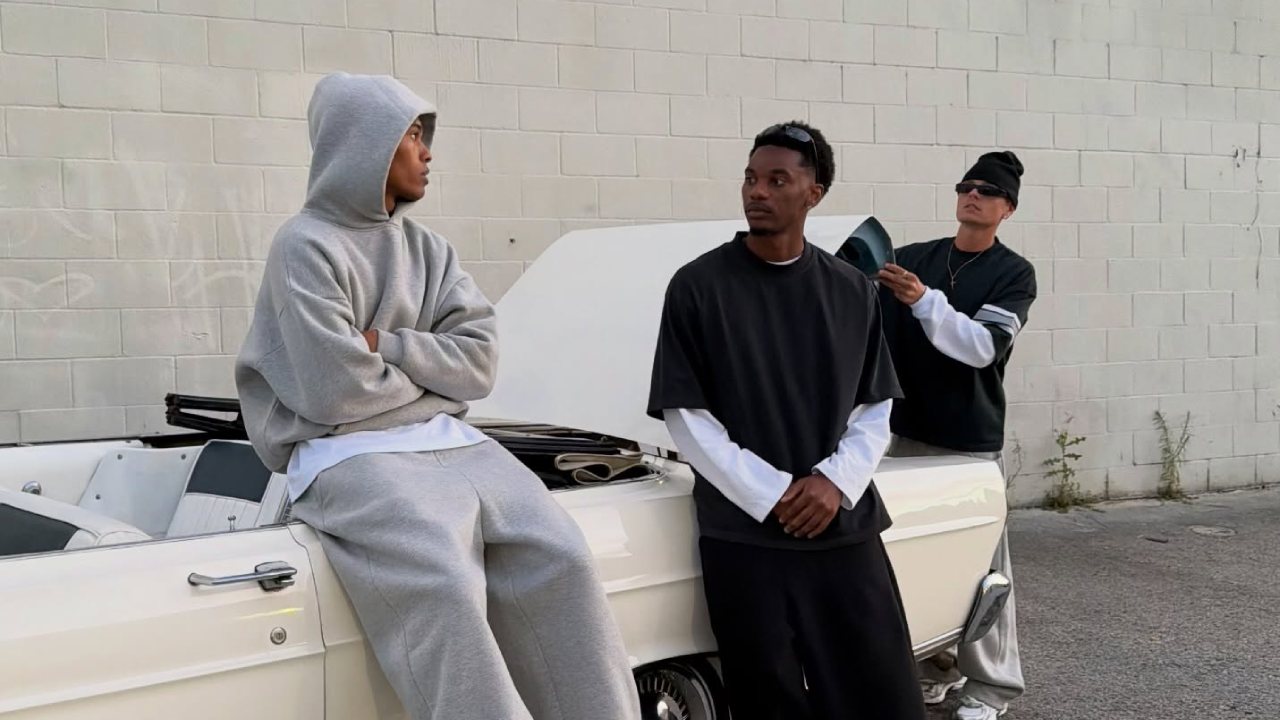
The Joggers Buying Checklist Every Shopper Needs


Why a joggers buying checklist actually matters
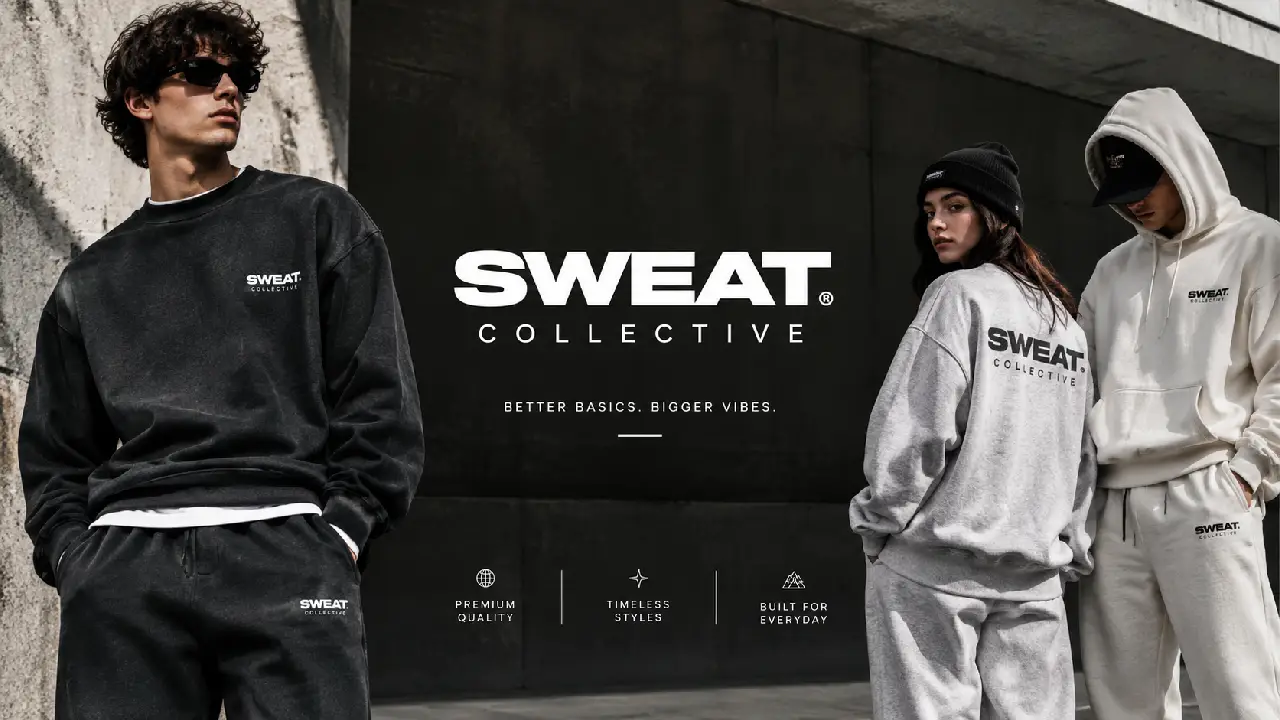
A joggers buying checklist sounds like overkill for something as simple as a pair of trousers, but most people end up with at least one pair gathering dust because they skipped the basics. Joggers get worn constantly once they fit well, and binned quickly once they don’t. Before you add anything to a basket, it helps to know what separates a pair you’ll wear weekly from one you’ll give away by spring. For a good sense of what a well-made pair looks like in practice, browsing iets gives a clear example of how a simple range of clothing, joggers included, can be presented without unnecessary extras cluttering the decision. If you want to see a dedicated page for this category specifically, the iets frans joggers range is worth a look as a reference point for cut and finish.
Key takeaways
For a closer look at the pieces described here, see lets frans.
- Match fabric weight (gsm) to the season and how often you’ll wear the joggers
- Check fit against the shoes you’ll actually wear them with
- Test the waistband elastic and look for ribbed cuffs for lasting shape
- Flatlock seams and zipped pockets are small details that improve daily wear
- Wash inside out on a cool setting and avoid high heat tumble drying
The checklist below is not about brand names or trends. It’s about fabric, fit, construction and how a pair behaves after a few washes. Get those right and everything else, colour, logo, price, becomes a matter of personal taste rather than a gamble.
Fit and fabric weight come first
Start with weight. Joggers are usually described in grams per square metre, and that number tells you more than any product photo. Lighter fabric, around 240 to 280gsm, suits mild weather and layering under a coat. Heavier fabric, 320gsm and above, holds its shape better and feels sturdier in cold months, though it takes longer to dry after washing. Neither is objectively better, but matching the weight to how and when you’ll actually wear the joggers avoids the common mistake of buying a heavyweight pair for summer or a thin pair for a cold commute.
Fit matters just as much as weight. Tapered joggers narrow towards the ankle and tend to look neater under trainers, while straight-leg versions give more room and suit a looser, casual look. Try to picture how the pair will sit with the shoes you already own rather than judging fit in isolation. A pair that bunches awkwardly over boots or drags on the floor in trainers will annoy you every single time you put it on, no matter how good the fabric feels.
Waistband and cuffs deserve a proper look
The waistband is where cheap joggers usually fail first. A drawstring with a wide, flat elastic band holds its shape far longer than a thin, single-layer elastic that rolls over after a few wears. Press the waistband between your fingers before buying, if you can. It should spring back immediately rather than stay stretched.
Cuffs matter too, though they’re easy to overlook. Ribbed cuffs that sit snug against the ankle keep the trouser leg from flapping and give a cleaner silhouette. Loose, unribbed hems look more relaxed but can fray faster with regular washing, especially if they drag against shoes or pavement.
Seams, pockets and small construction details
Flip a pair inside out before buying if you get the chance. Flatlock seams lie smoother against the skin and are less likely to irritate than overlocked seams, which can feel scratchy after a full day of wear. Pockets are another detail worth checking: zipped pockets hold onto a phone or keys far better than open patch pockets, which is useful if you plan to wear joggers for anything more active than lounging at home.
Check the inner lining as well. Some joggers are brushed on the inside for extra warmth, which suits colder weather but can feel too warm indoors. A smooth inner lining is usually the safer, more versatile choice if you want one pair to cover most situations.
Washing and care change how long joggers last
Even a well-made pair of joggers will disappoint if it’s washed carelessly. Turning them inside out before a wash protects the outer surface from pilling, and washing on a cooler setting helps the fabric keep its shape for longer. Tumble drying on high heat is the fastest way to shrink a pair or warp the waistband, so air drying flat, or on a low heat setting if you must use a dryer, is worth the extra patience.
Fabric softener is tempting but worth using sparingly on anything with a brushed inner lining, since it can flatten the texture over time and reduce how warm the fabric feels. A simple, consistent wash routine does more for the lifespan of a pair of joggers than any one-off purchase decision.
Putting the checklist together
Before you buy, run through the basics: check the gsm weight against how you’ll wear the joggers, try the fit against your usual shoes, test the waistband elastic, look at the seams and pockets, and think honestly about how you’ll wash and dry them. None of this takes long, but it’s the difference between a pair that becomes part of your regular rotation and one that ends up at the back of a drawer. A joggers buying checklist isn’t about perfectionism, it’s about spending a few extra minutes upfront so the decision holds up months later.
Frequently asked questions
What gsm is best for joggers?
Around 240 to 280gsm suits mild weather and layering, while 320gsm and above holds shape better and works best in colder months, though it dries more slowly after washing.
Should joggers be tapered or straight leg?
It depends on the shoes you’ll wear them with. Tapered joggers look neater under trainers, while straight-leg versions suit a looser, more relaxed look and pair well with boots.
How do you stop joggers from pilling?
Turn them inside out before washing, use a cooler wash setting, and avoid high heat tumble drying, which speeds up pilling and can warp the waistband over time.
Why do joggers lose their shape at the waistband?
Thin, single-layer elastic waistbands stretch out faster than wider, flat elastic bands. Pressing the waistband before buying can show whether it springs back properly.