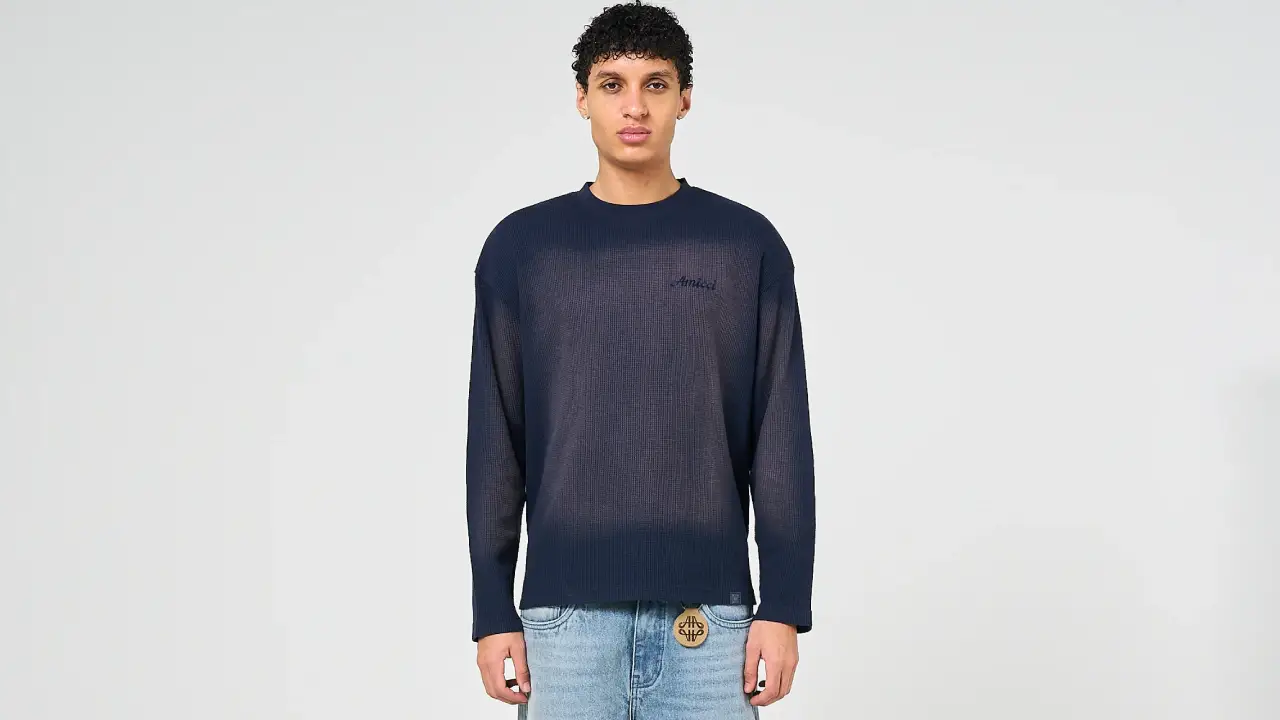
Jacket Outfit Ideas: Styling a Jacket With Hoodies and Sweatshirts


Jacket Outfit Ideas for Everyday Layering
Jacket outfit ideas tend to go wrong when people treat the jacket as the whole outfit rather than the top layer of one. A jacket works best when it sits over something with its own shape and colour, which is exactly what a hoodie gives you. Choose a mid-weight hoodie in a plain colour and let the jacket do the structural work. If the jacket is slim, size the hoodie close to your body so you avoid a bulky silhouette under the arms. If the jacket is roomier, a slightly heavier hoodie fills it out nicely without looking stuffed.
Key takeaways
- Match jacket weight to sweatshirt thickness to avoid bulky or gappy layering
- Stick to tonal colour pairings first, then introduce one contrast colour at a time
- Build a small capsule of hoodies and sweatshirts around one jacket rather than buying multiple jackets
Start with neutral pairings before you try contrast. A black or navy jacket over a grey or stone hoodie reads as deliberate rather than thrown together. Once you’re comfortable with that base, you can bring in a hoodie with a small logo or a subtle colour block, since the jacket will frame it rather than compete with it. For browsing a range of jacket styles to build around, double you studios is worth a look, as it stocks clothing including jackets suited to this kind of layering.
For browsing a range of jacket styles to build around, double you studios is worth a look, as it stocks clothing including jackets suited to this kind of layering.
Keep the bottom half simple. Straight jeans or tapered joggers both work, but avoid anything baggier than the jacket itself or the proportions tip over. The aim is a silhouette that narrows slightly from shoulder to ankle, not one that balloons in the middle.
The double you studios jacket range is one place to compare cuts side by side if you want a sense of how roominess varies between styles.
Matching Jacket Weight to Sweatshirt Thickness
Weight matching is the detail most people skip, and it’s the one that makes an outfit look planned rather than accidental. A lightweight shell jacket paired with a thick, heavy sweatshirt creates an odd lump around the torso, because the jacket can’t settle properly over the extra bulk. Flip it the other way and a heavy jacket over a thin sweatshirt leaves gaps at the cuffs and collar that let cold air in, which defeats the point of layering in the first place.
As a rough guide, match a lightweight jacket with a lightweight to mid-weight sweatshirt, and save heavier sweatshirts for jackets with more room built into the cut, such as a field jacket or an overshirt-style piece. If you’re unsure how much room a jacket gives you, checking the fit notes on a specific piece helps more than guessing from a product photo. The double you studios jacket range is one place to compare cuts side by side if you want a sense of how roominess varies between styles.
Sleeve length matters too. A sweatshirt sleeve that’s visibly longer than the jacket sleeve looks unfinished, so aim for the jacket cuff to sit just past the sweatshirt cuff, or roughly level with it if you prefer a cleaner line.
Colour Combinations That Work
Jacket outfit ideas get easier once you pick a colour approach and stick to it for the whole look. Tonal dressing, where the jacket and sweatshirt sit in the same colour family but different shades, is the safest route for anyone building a capsule wardrobe. Think olive jacket with a khaki or sand hoodie, or charcoal jacket with a lighter grey sweatshirt underneath.
Contrast works too, but it needs restraint. One strong colour against neutrals reads as styled; two strong colours fighting for attention reads as cluttered. A burgundy or forest green jacket over a plain white or grey sweatshirt gives you contrast without noise, and it photographs well if you’re documenting outfits for yourself.
Pattern is the riskiest element, so use it sparingly. A plain jacket over a subtly textured sweatshirt, such as a waffle knit or a brushed fleece, adds interest without needing a second colour decision. Save bold prints for one piece only, never both the jacket and the layer underneath, and keep footwear and trousers neutral so the eye has somewhere to rest.
Building a Capsule Around One Jacket
A single well-chosen jacket can anchor several weeks of outfits if you build the rest of the wardrobe to support it rather than compete with it. Pick two or three hoodies and two or three sweatshirts in colours that all sit comfortably against the jacket, then rotate them so the same jacket never looks repetitive. This is a far cheaper way to vary your look than buying several jackets you’ll wear less often.
Think about the jacket’s formality level too. A structured jacket can be dressed up slightly with a plain crewneck sweatshirt and chinos, while a casual bomber or utility jacket sits more naturally with a hoodie and jeans. Matching the jacket’s formality to the rest of the outfit avoids the slightly mismatched feeling that comes from pairing a sharp jacket with very relaxed layers, or vice versa.
Finally, store the jacket properly between wears. Hanging it rather than folding it keeps the shoulders and collar in shape, which matters more for the overall look of an outfit than most people realise, since a collapsed collar undermines even a good hoodie and sweatshirt combination underneath.
Frequently asked questions
Can you wear a hoodie under a jacket?
Yes, a hoodie works well under most jackets as long as the weights are matched. A slim hoodie suits a fitted jacket, while a thicker hoodie needs a roomier jacket cut to avoid bulk at the shoulders and underarms.
What sweatshirt colours go with a navy jacket?
Grey, stone, white and burgundy all pair naturally with a navy jacket. Tonal greys are the safest starting point, while burgundy adds a touch of contrast without clashing.
How do I stop a jacket and hoodie combination looking bulky?
Keep one layer close-fitting while the other has more room, rather than choosing two loose pieces together. Checking fit notes before buying also helps you judge how much extra room a jacket actually allows for a layer underneath.