Versatile Hoodie Basics for Everyday Wear

Why versatile hoodie basics matter
Versatile hoodie basics are the pieces that quietly do most of the work in a wardrobe. They go from a walk to the shop, to a long train journey, to sitting on the sofa with a cup of tea, without ever looking wrong. The trick is picking a small number of hoodies that cover different weights and fits, rather than buying several nearly identical ones in slightly different colours. A good basic hoodie should feel unremarkable in the best way: comfortable, not fussy, and easy to wear with jeans, joggers or even a skirt if that’s your thing.
Key takeaways
- Pick hoodies by fabric weight first; mid weight (300-350gsm) covers most of the year.
- Fit changes the whole look: boxier suits layering over, fitted suits layering under.
- A small rotation of three or four hoodies in different weights beats a drawer full of similar ones.
Most people own far more hoodies than they actually reach for. That usually comes down to fit or fabric rather than colour. A hoodie that bunches at the waist or feels too thin in winter gets pushed to the back of the drawer fast. Building a proper rotation means thinking about when and where you’ll wear each one, not just how it looks on a hanger. One mid weight, one heavier option for colder months, and one lighter piece for layering under a coat will cover almost every situation you’re likely to face in a normal week.
Fabric weight and why it decides everything
Hoodie fabric weight is usually measured in grams per square metre, and it changes how a hoodie behaves more than almost any other factor. Lighter fabrics, roughly under 280gsm, suit mild weather and layering, since they don’t add bulk under a jacket. Mid weight fabrics, somewhere around 300 to 350gsm, are the most flexible option and tend to work year round in a temperate climate. Heavier fabrics above 400gsm feel closer to a jumper and are better suited to standing around outdoors or cold mornings than to sitting at a desk.
A common mistake is buying on feel in a shop without thinking about the season. A heavy hoodie that feels reassuringly solid in a warm store can turn out far too warm the moment you wear it indoors with the heating on. If you’re only going to own two or three hoodies, aim for one mid weight piece as your main basic, then add a heavier one for outdoor use. Checking the gsm figure on a product page, where it’s listed, is a more reliable guide than squeezing the fabric between your fingers for a few seconds.
Fit and silhouette for everyday wear
Fit decides whether a hoodie looks like a basic or like loungewear that’s wandered outside by accident. A boxier, slightly oversized cut works well with slim trousers or jeans, since it balances the proportions. A more fitted hoodie suits layering under a jacket, where extra fabric would just add bulk around the arms and shoulders. Neither is right or wrong, but mixing both into a small collection gives you more outfits without needing more hoodies.
Sleeve length is worth checking before buying, especially online. Sleeves that stop short at the wrist make a hoodie look slightly too small, while ones that cover half the hand give a more relaxed, oversized feel that suits a boxier fit. The body length matters too: a hoodie that sits right at the hip works with almost anything, while a longer length pairs better with leggings or slim joggers than with loose trousers. Trying a hoodie with the specific trousers you’ll actually wear it with, rather than judging it alone in a mirror, gives a far more honest sense of whether the fit works.
Building a small, reliable hoodie wardrobe
A reliable hoodie wardrobe doesn’t need to be large. Three or four pieces, chosen for different weights and occasions, will outperform a drawer full of similar grey hoodies bought on impulse. Start with one neutral colour, like grey, black or navy, since these pair with almost everything and don’t date. Add one with slightly more personality, whether that’s a colour or a simple design, once the basics are sorted.
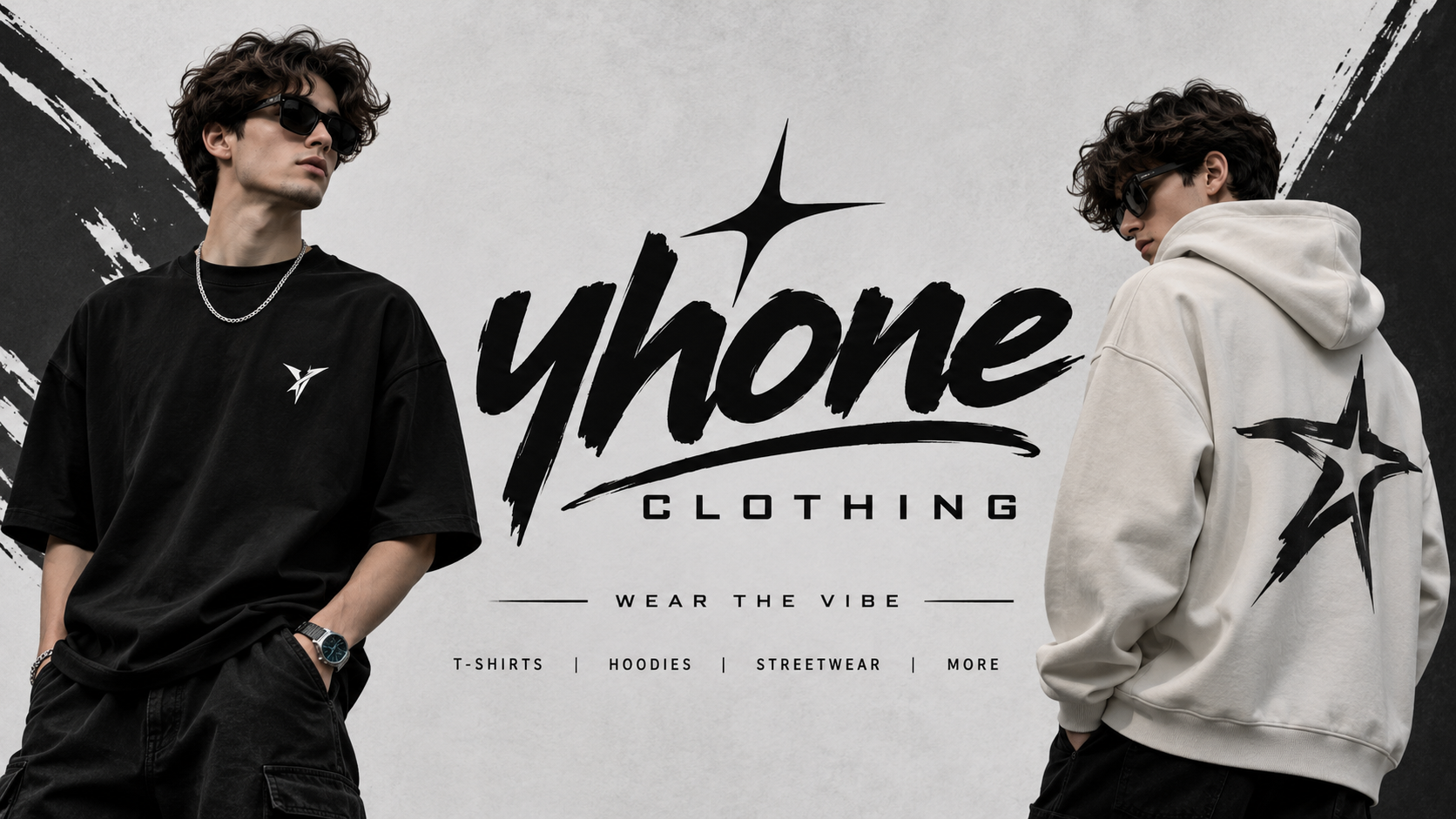
Care matters as much as the initial purchase. Washing hoodies inside out on a cooler setting and avoiding the tumble dryer where possible keeps the fabric from pilling and the print or embroidery from cracking. If you’re shopping for a few solid basics in one place, yhone clothing sells hoodies and other clothing that can work as a starting point for this kind of small, considered wardrobe. Checking fabric weight, fit notes and sizing charts before buying saves returns later. For anyone restocking a few essentials this year, browsing what yhone clothing has on offer alongside other shops gives a useful sense of current pricing and fit options, and comparing a couple of retailers before settling on yhone or anywhere else is generally worth the extra ten minutes.
Frequently asked questions
How many hoodies does someone actually need for everyday wear?
Three or four is usually enough if they differ in weight and fit. One mid weight neutral piece, one heavier option for cold weather, and one lighter piece for layering will cover most situations without overcrowding a drawer.
What hoodie weight is best for year round wear?
Something in the 300 to 350gsm range tends to work best across seasons, since it’s warm enough for cooler days but not so thick that it feels uncomfortable indoors or under a coat.
Should a hoodie fit loose or tight?
It depends on how you plan to wear it. A looser, boxier fit works well on its own or over slim trousers, while a closer fit is better for layering under a jacket where extra bulk would be awkward.